Stretch Strap Review: 4 Months of Morning Stretching Before Hikes
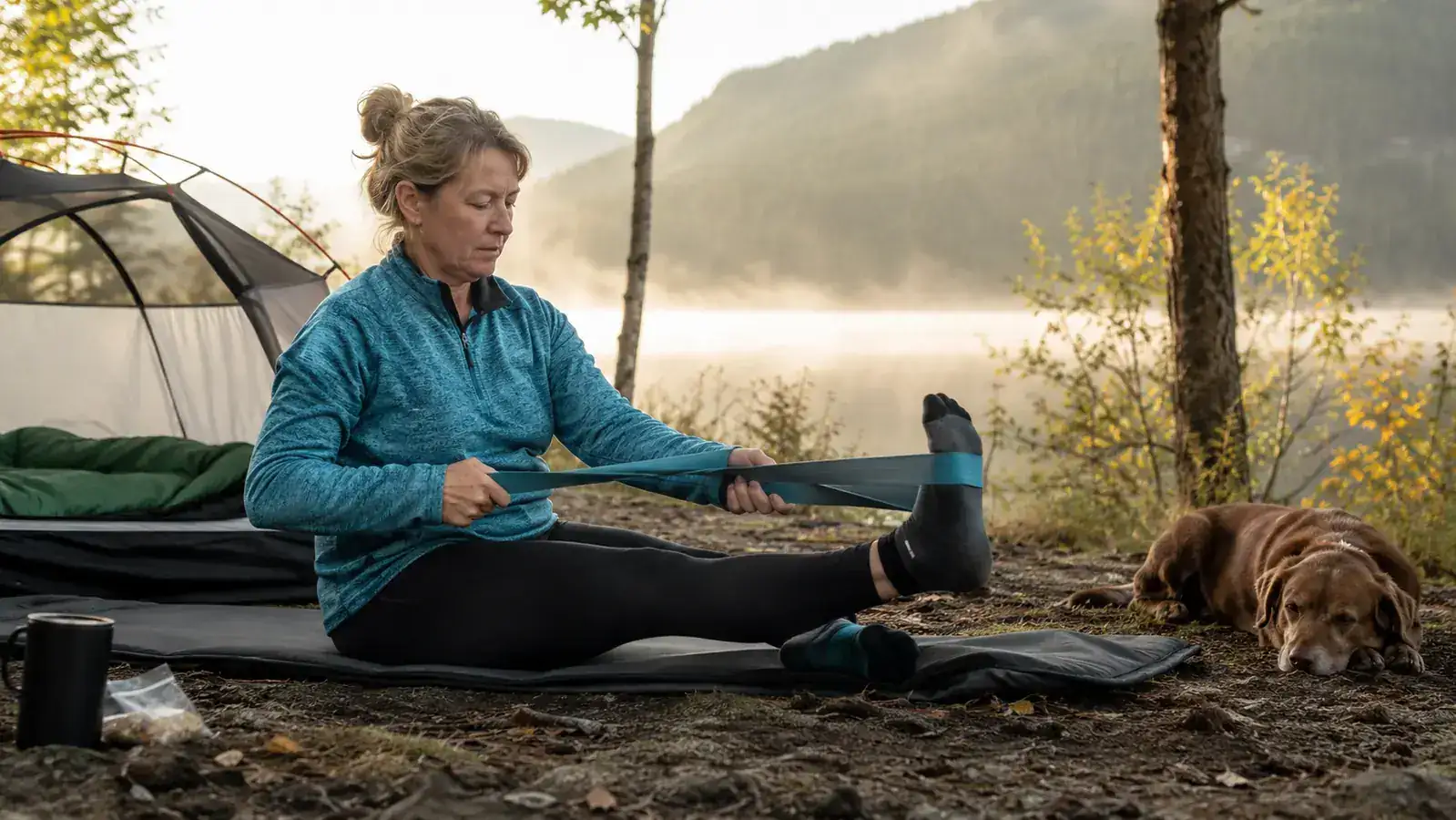
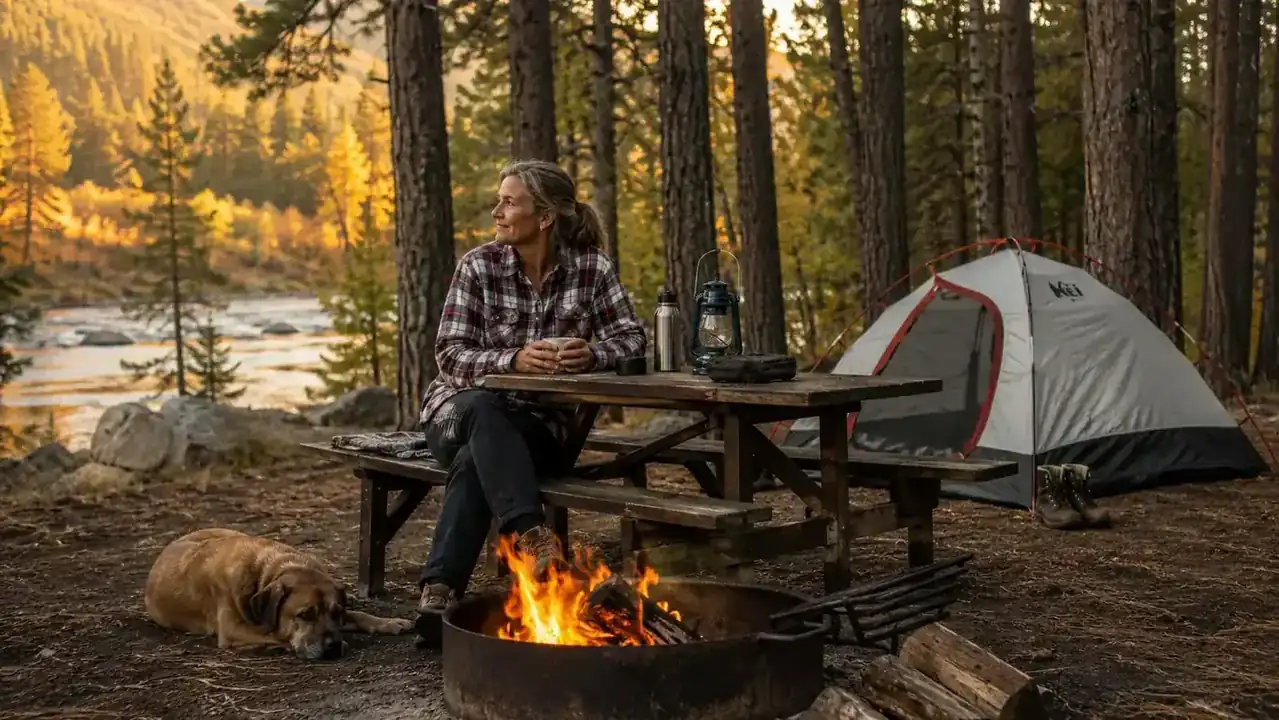
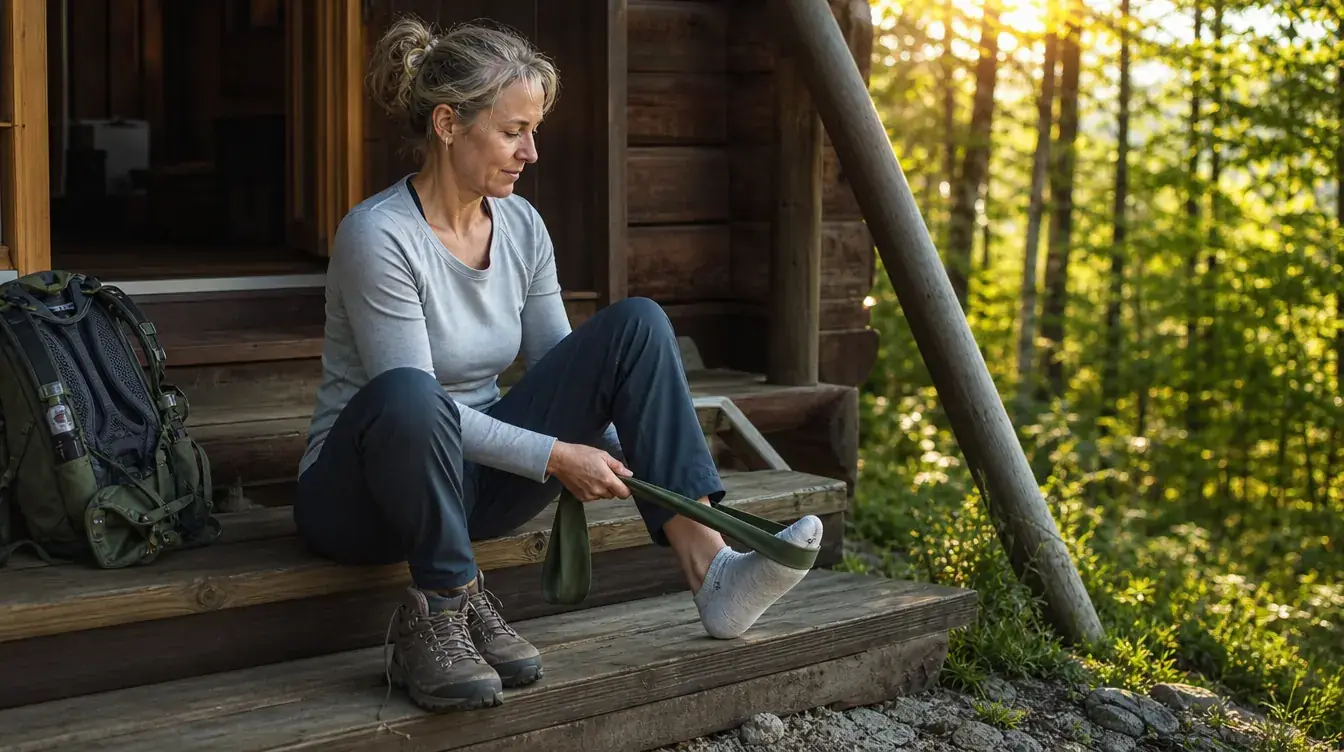
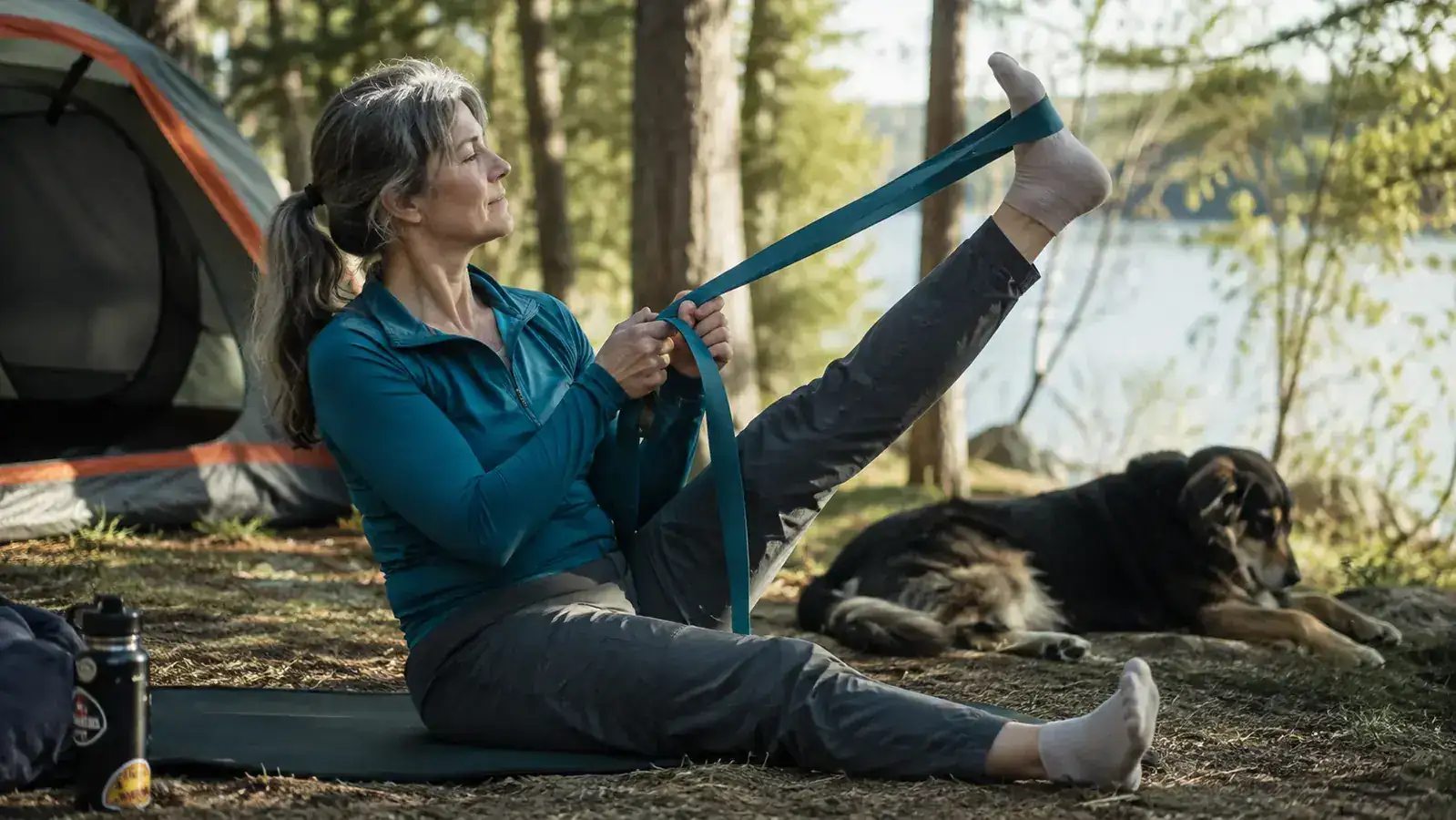
Eight minutes before coffee, a picnic table on camping mornings, and what actually changed in my hips after four months with a Trideer stretching strap.
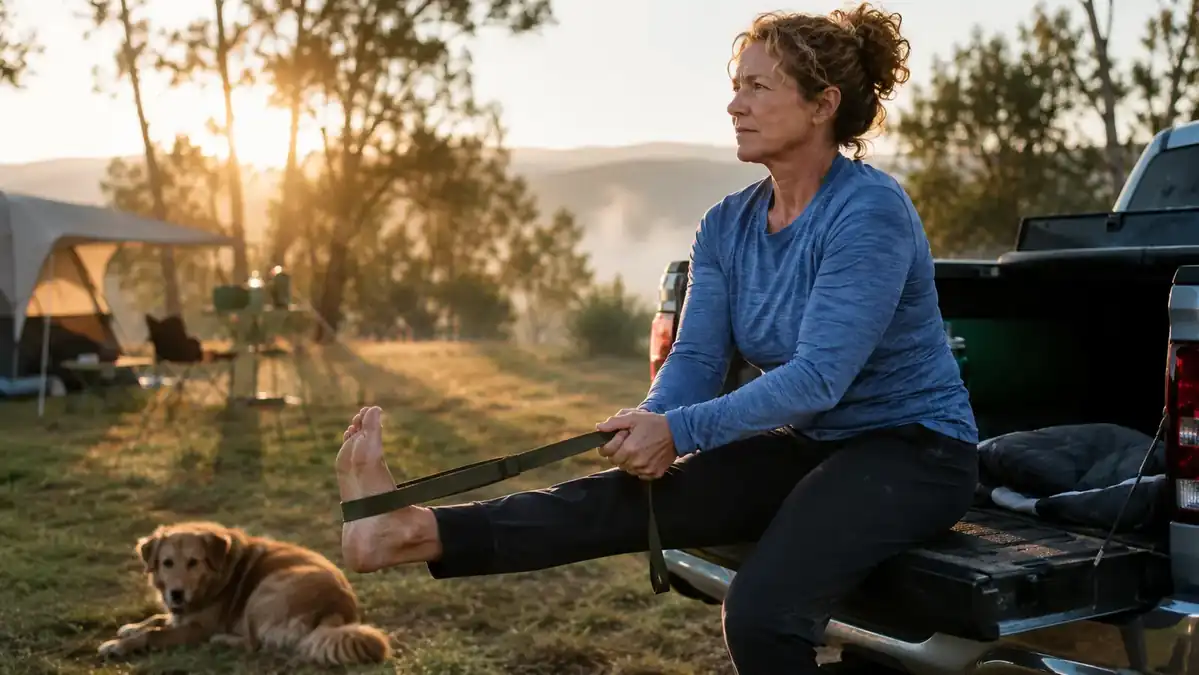
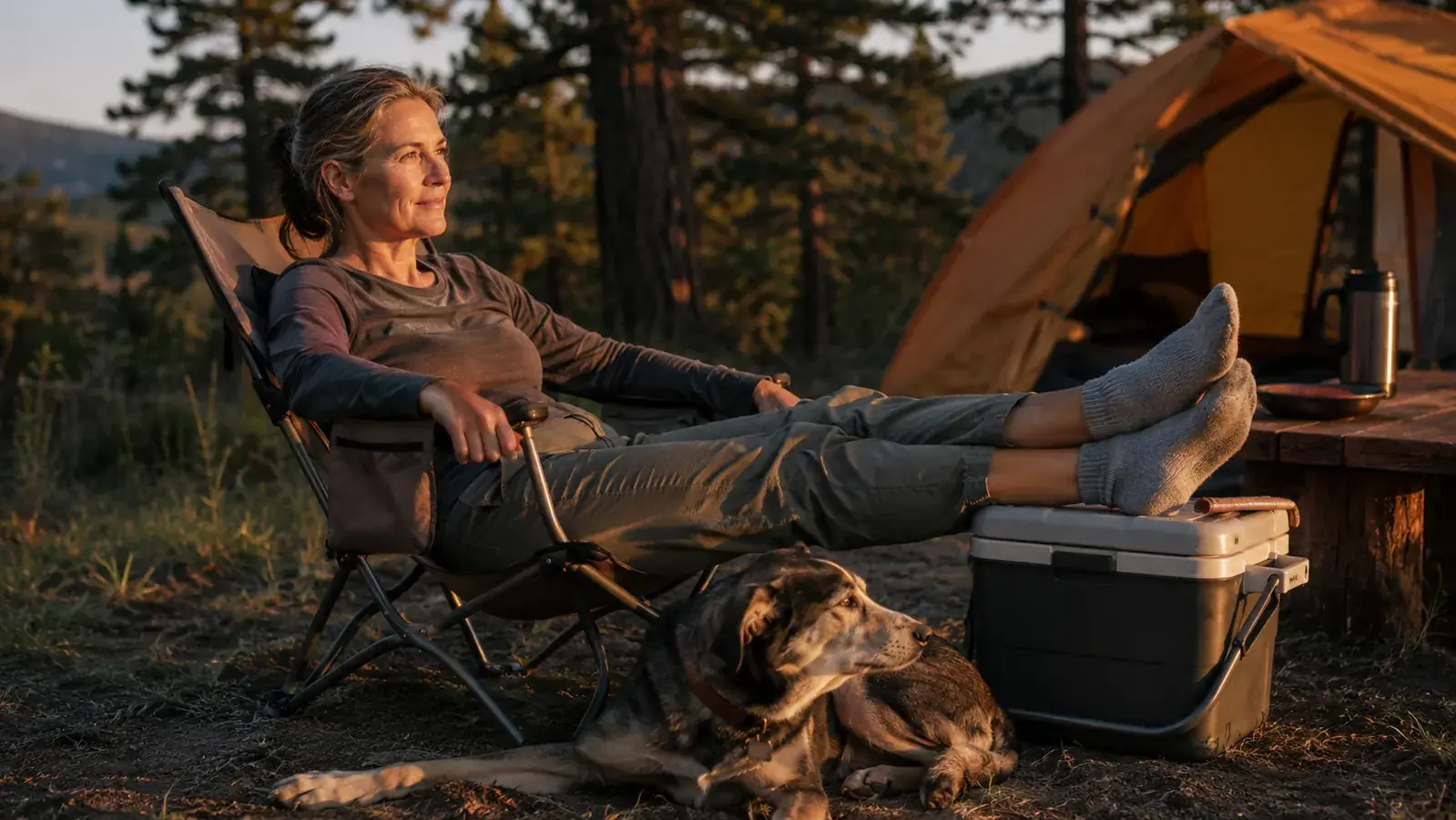
Six hours in a truck seat left my hips too tight to trust the trailhead. This is what actually got me moving again.
Eight minutes before coffee, a picnic table on camping mornings, and what actually changed in my hips after four months with a Trideer stretching strap.
I use both, but not for the same job. Here's the honest breakdown after a year of stiff mornings, hikes, and camping trips.
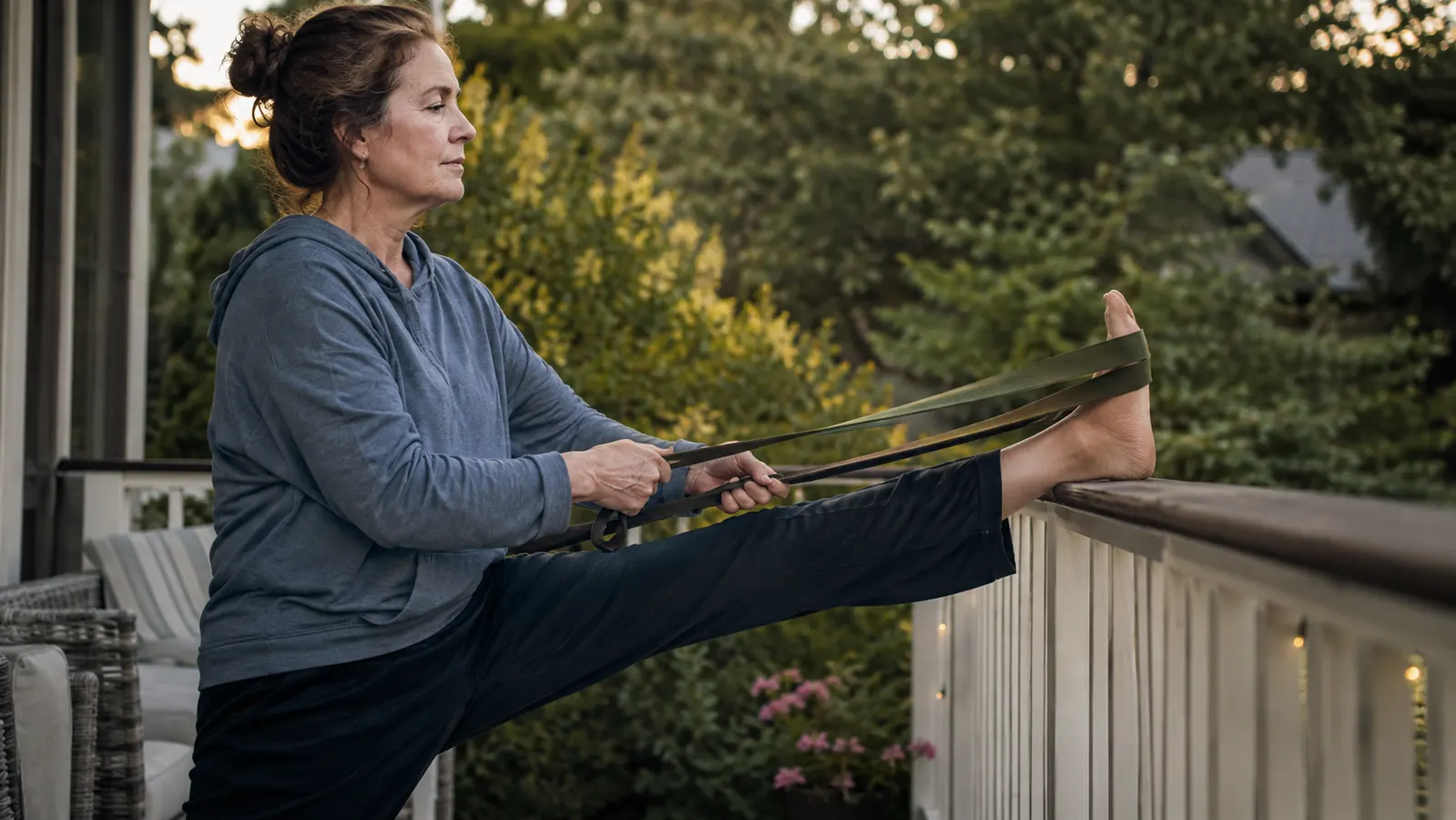
A plain strip of webbing has done more for my stiff mornings than any mattress pad, foam roller, or extra ten minutes of sleep ever did.
Six hours in a truck seat left my hips too tight to trust the trailhead. This is what actually got me moving again.
Five steps, one strap, about eight minutes. The routine I use before every camping morning and every long travel day.
Not the six-month diary, the part nobody puts in a five-star headline: the two mistakes I made in week one, what the listing photos leave out, and why some of the one-star reviews are actually fair.
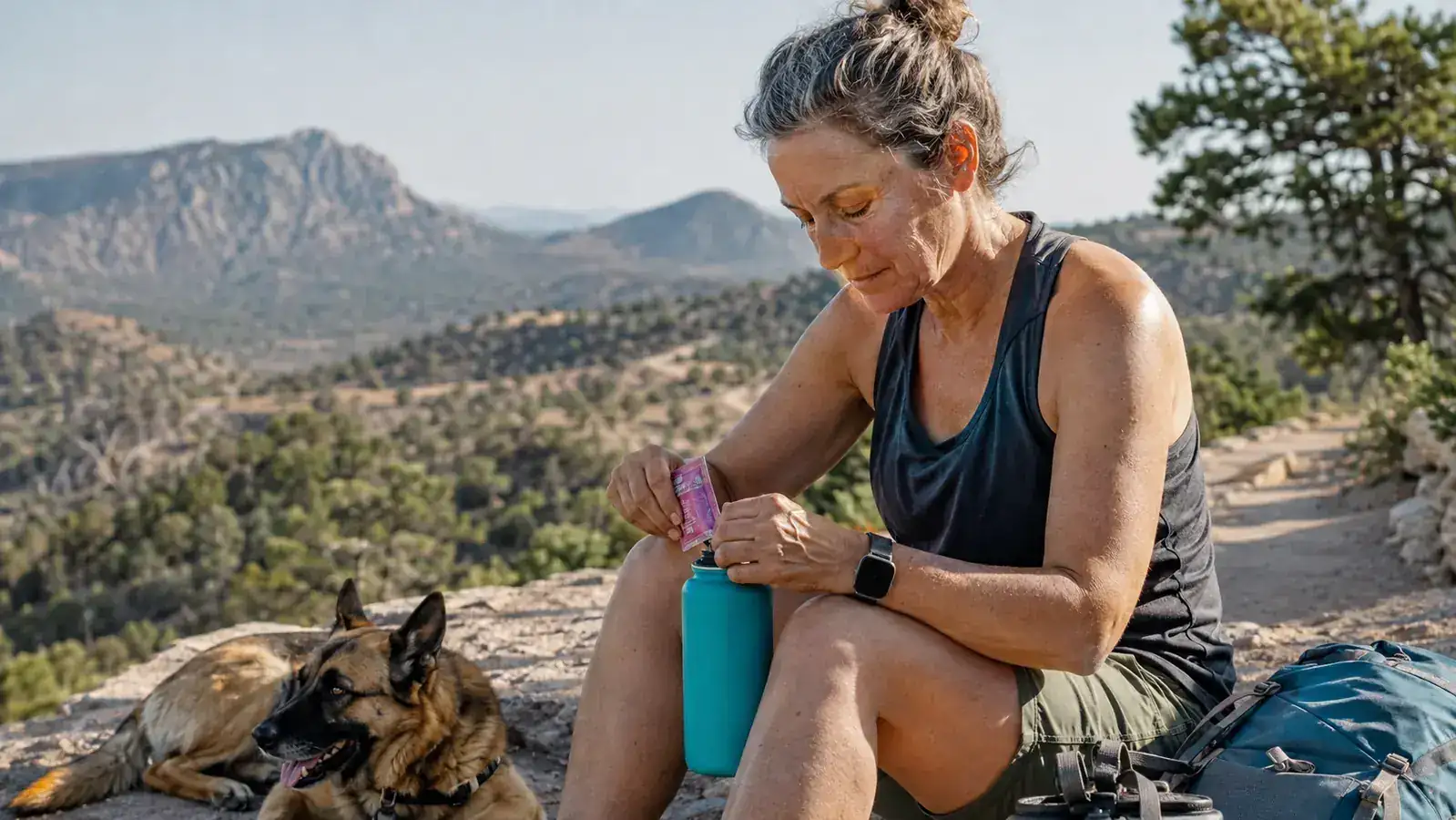
A sleeve of packets in my hip belt, a headache at 7,400 feet, and what six months of daily use actually told me about HydroMATE electrolyte packets.
I've carried both up switchbacks and across parking lots on road trips. Here's the honest side-by-side after a season of testing them the way I actually hike.
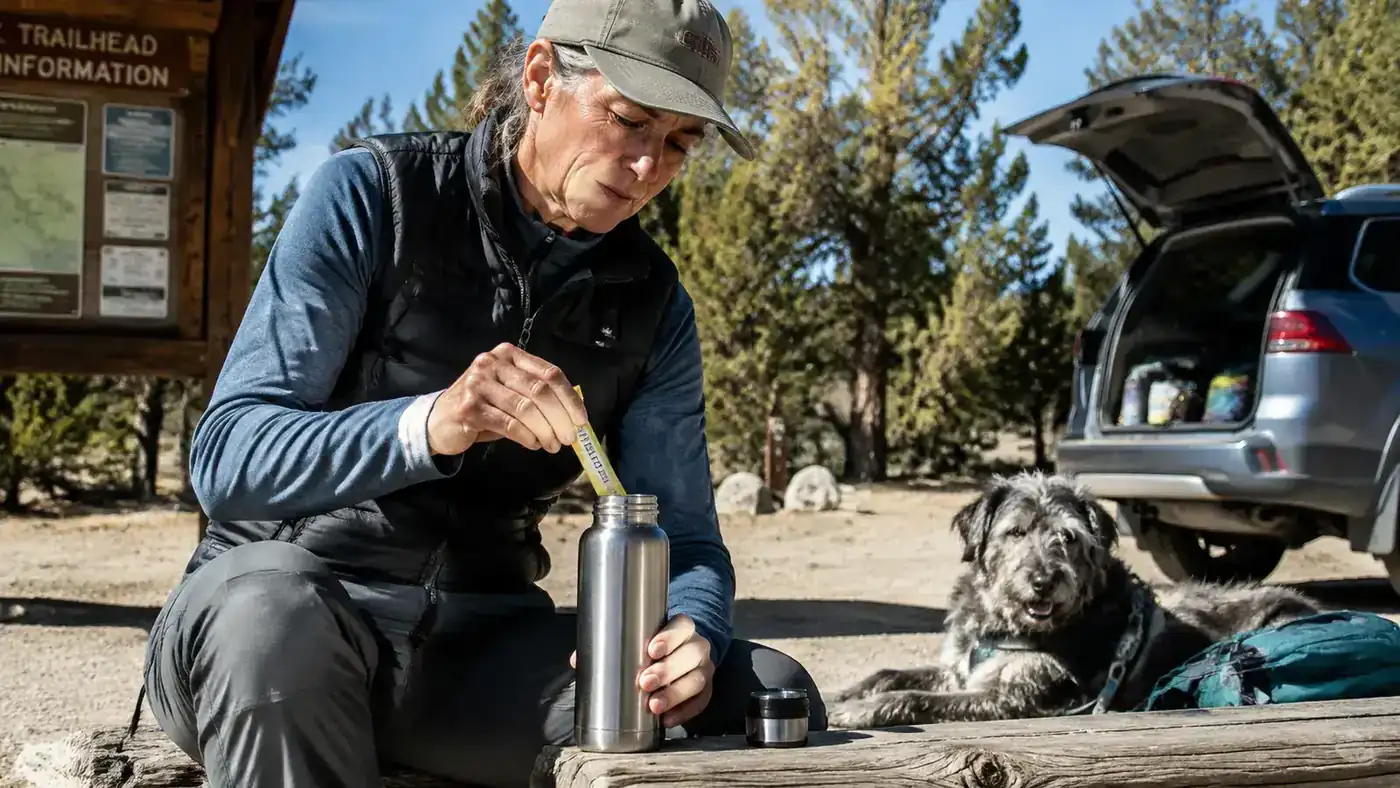
Ten small, practical reasons a box of electrolyte packets earns a permanent spot in my pack, my truck, and my pantry.
A pounding head and rubber legs on the way down a sun-baked ridge changed how I pack water for every hike since.
A five-step plan for timing and mixing electrolyte packets before, during, and after a long hike, built around how I actually pack for a trail day with Scout.
Not the six-month wrap-up. This is the stuff I noticed on day one that nobody puts in the Amazon listing: the taste that misses, the clumping, the bulk of the box, and why some people send theirs back.
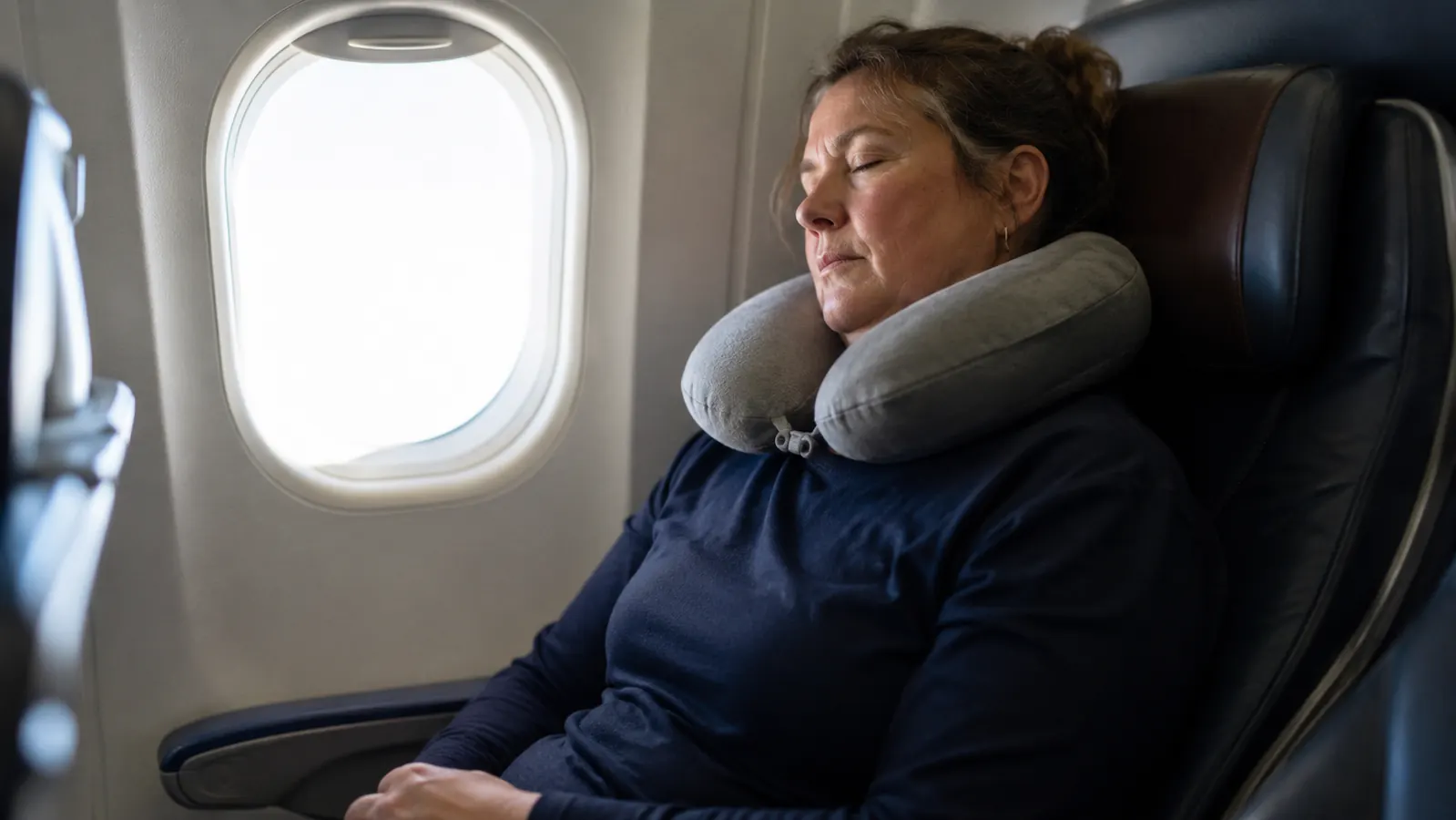
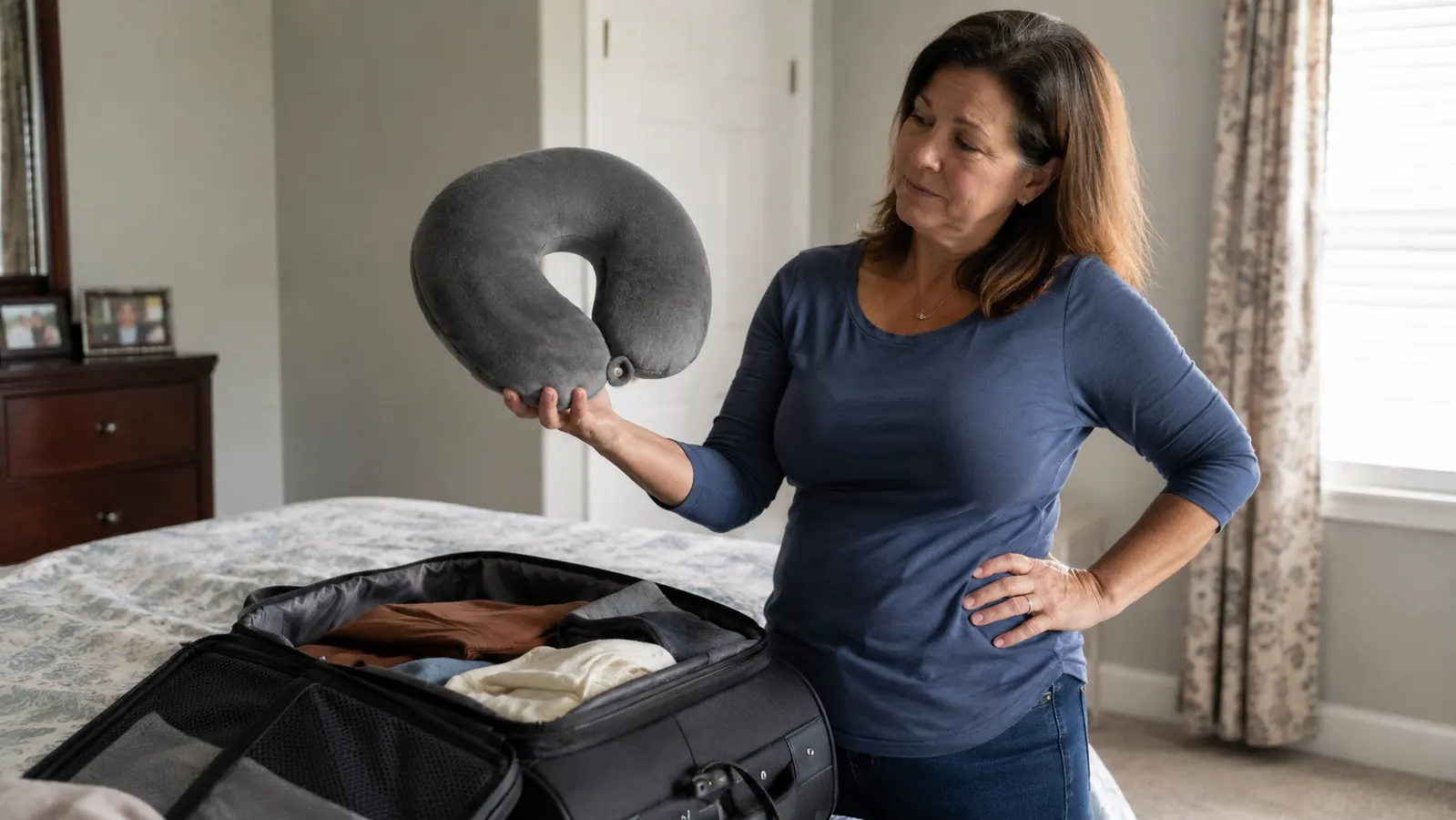
Fourteen flights, three long drives to trailheads, and one honest answer to whether a memory foam neck pillow actually changes how your neck feels the next morning.
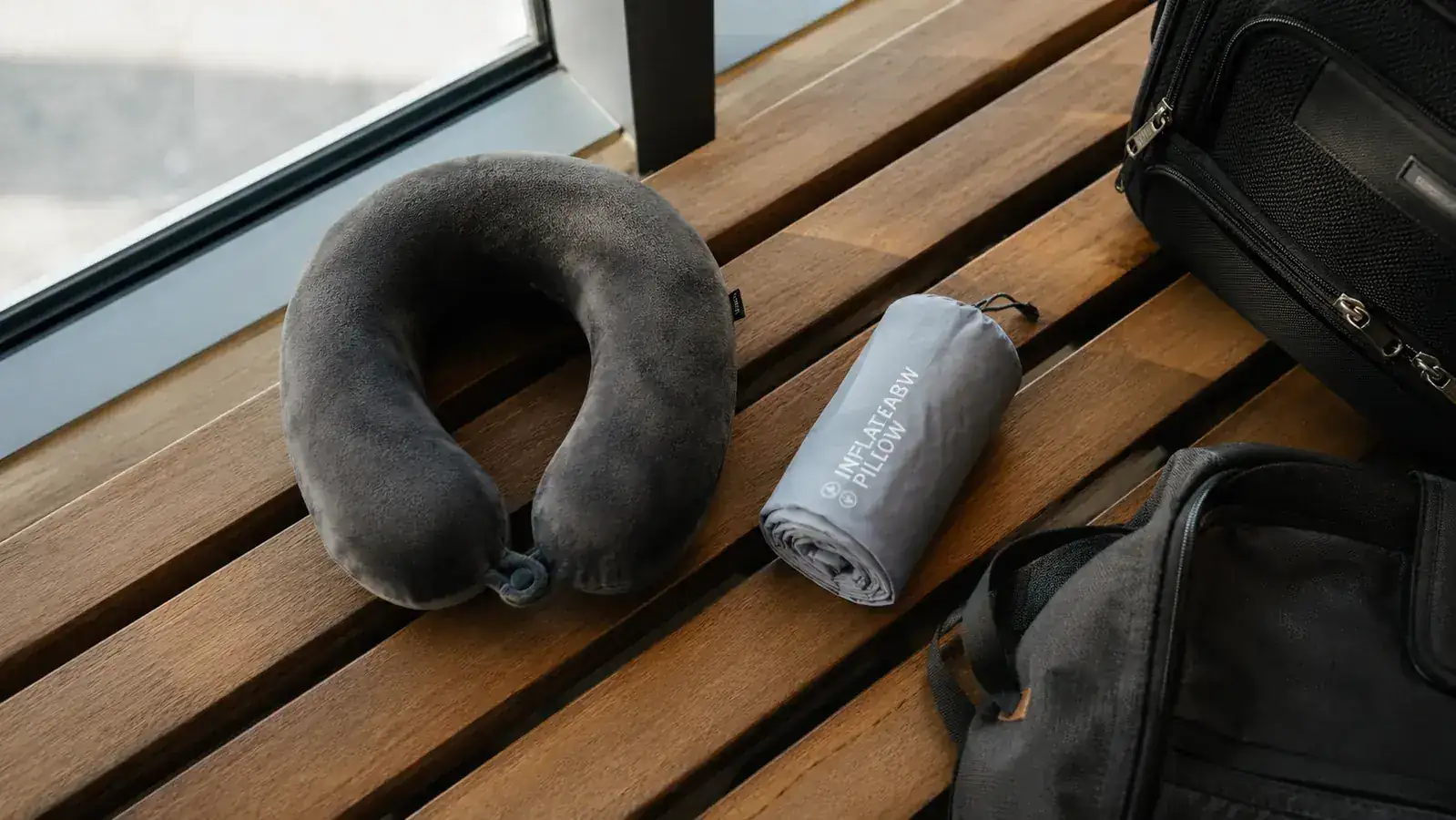
I have flown and driven with both styles enough times to know which one actually gets me to sleep and which one just rides in the seat pocket looking useful.
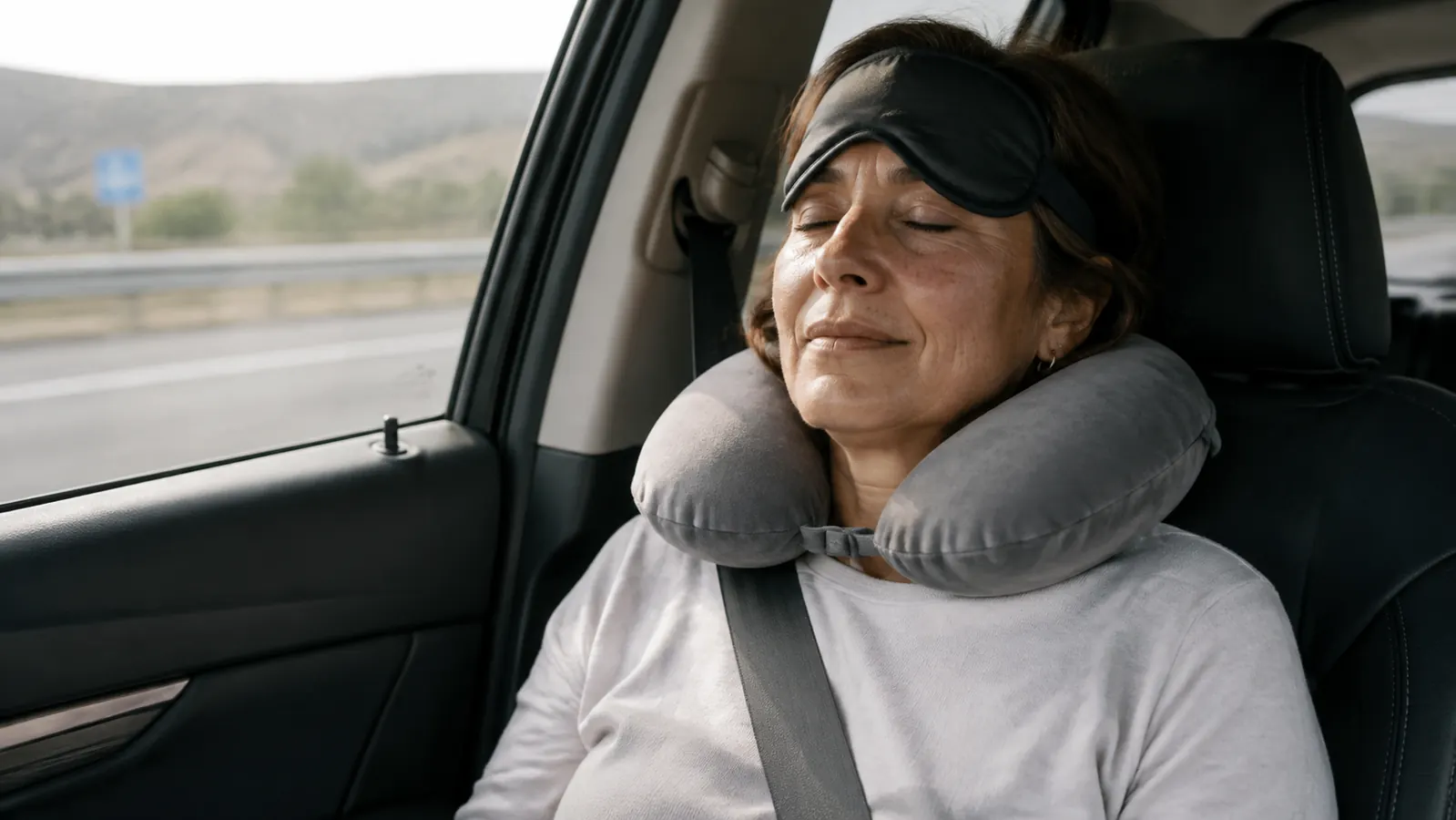
After a year of road trips, flights, and long drives to campsites with my dog Scout, here is why a memory foam travel neck pillow earned a permanent spot in my bag.
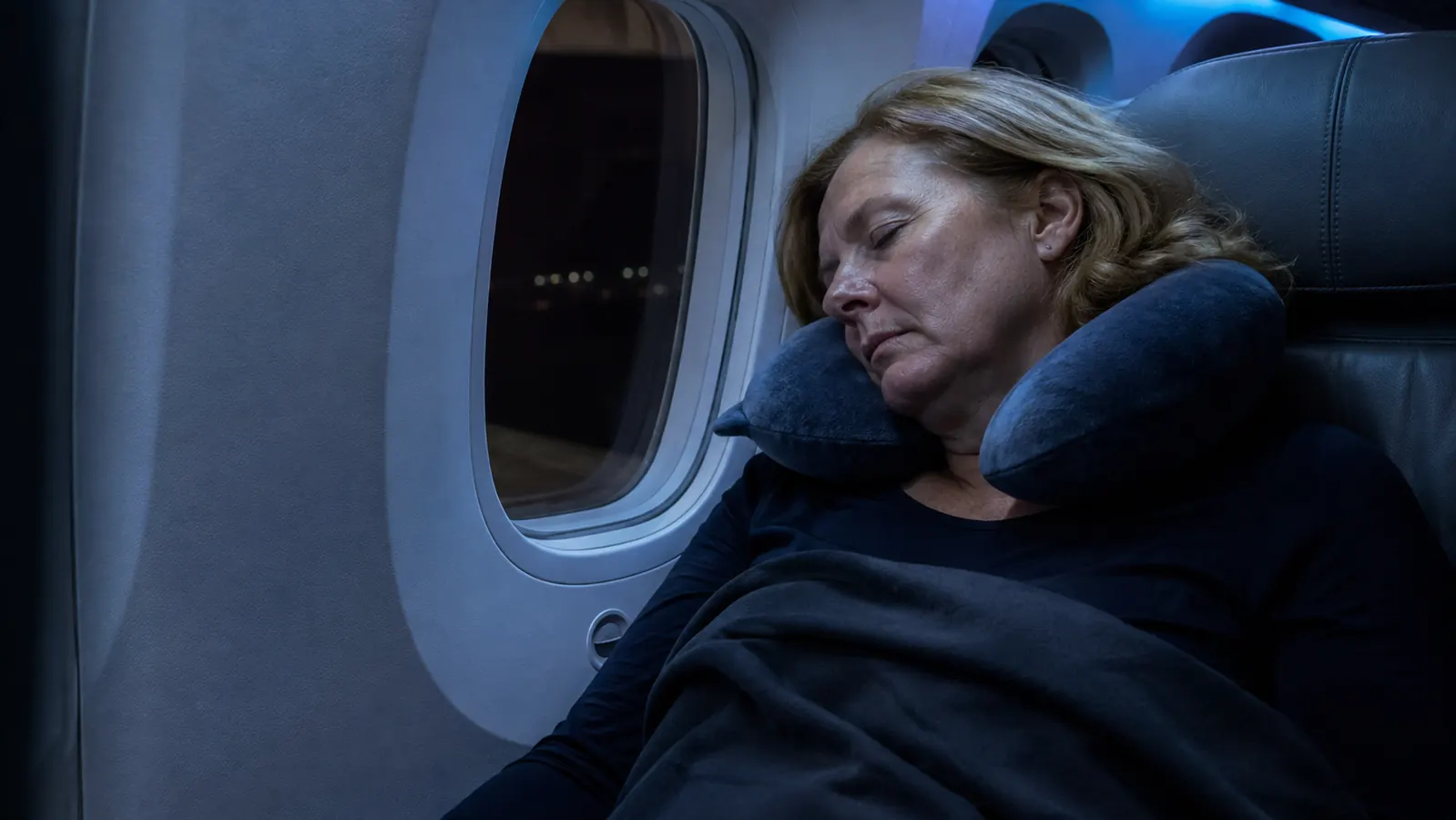
A red-eye through Denver locked up my neck so badly I lost the first day of a trip. Here's what I changed before the next flight.
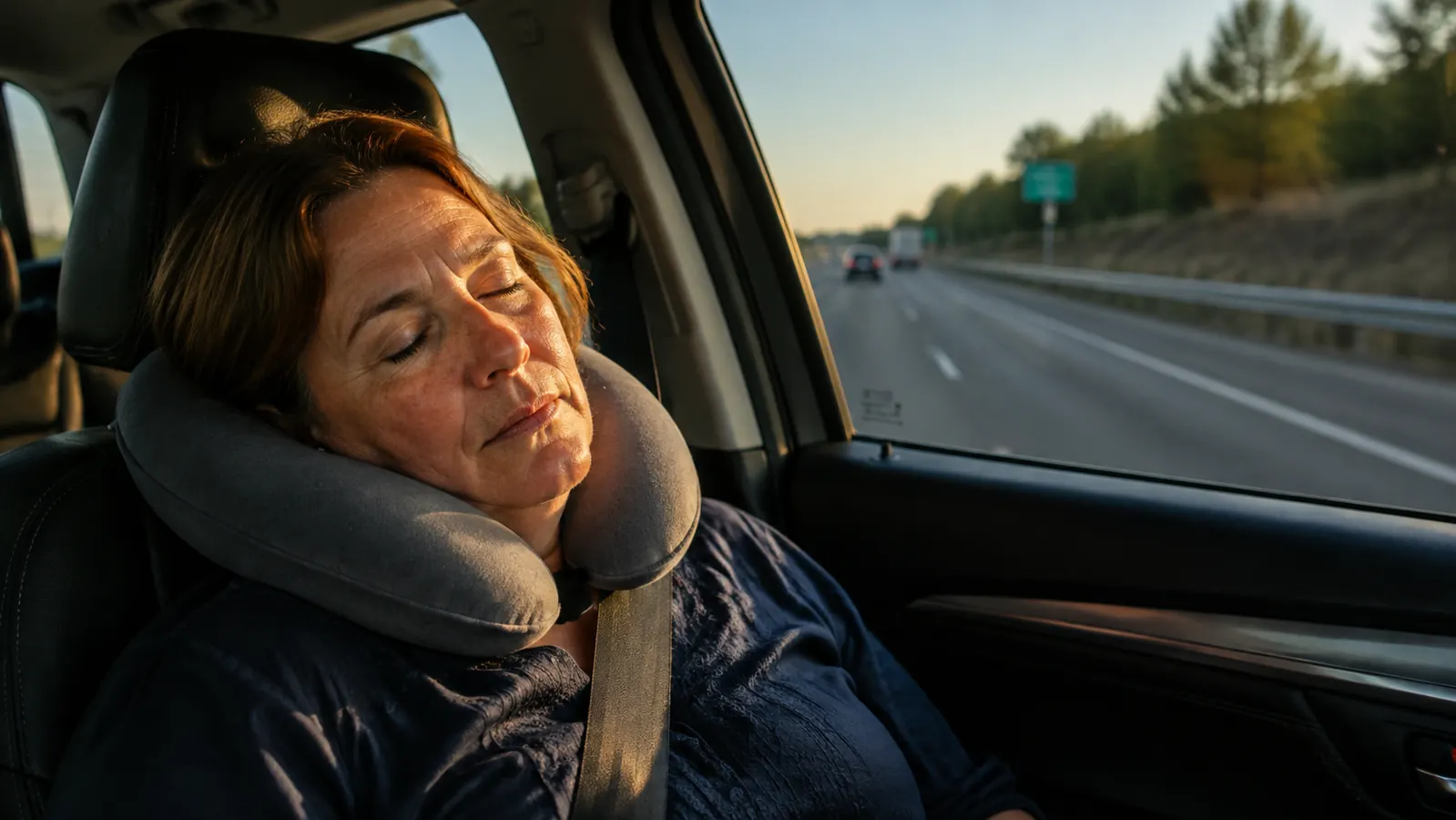
A five-step plan for setting up the passenger seat, positioning an MLVOC travel neck pillow, and using a rest stop properly so you actually wake up rested instead of stiff.
The bulk, the cheap extras, the way memory foam behaves in real heat and real cold, and the honest limit of what this pillow can and can't fix.
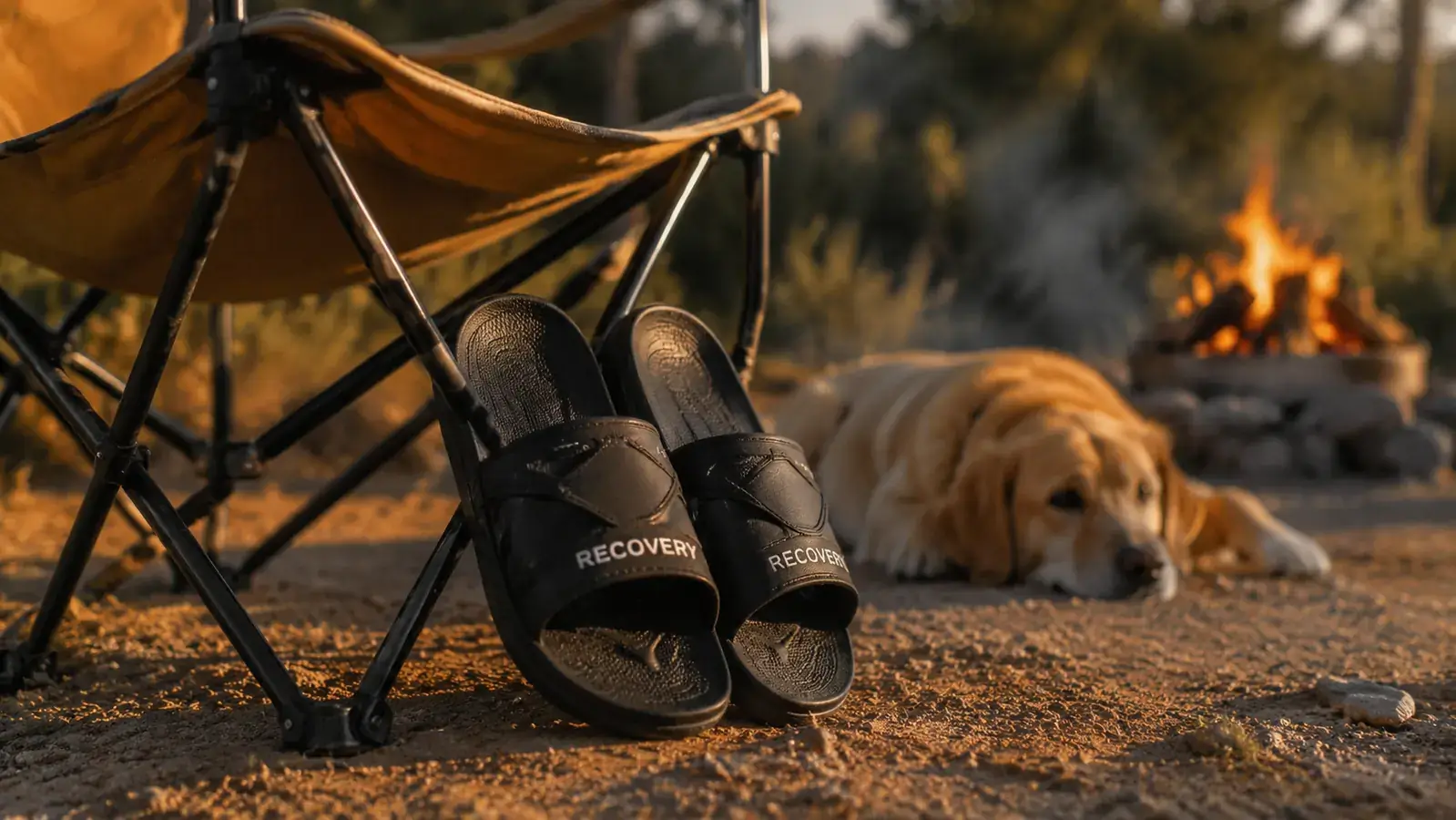
I bought a pair of OOFOS OOahh recovery slides in February for one reason: my feet were done at the end of every camping weekend. Here's what six months of daily wear actually taught me.
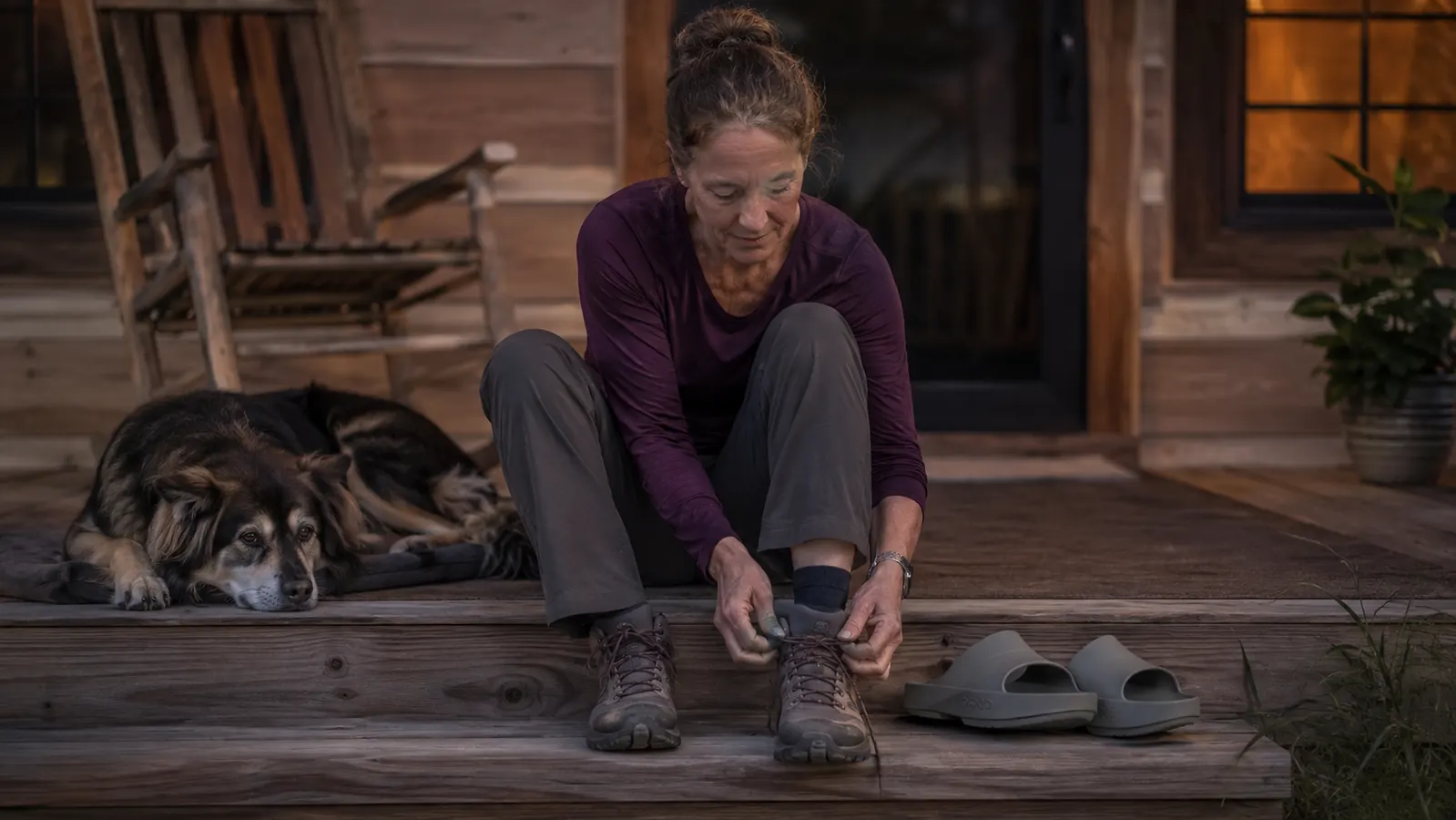
One of these gets you through a twelve-mile trail day. The other one is what your feet actually want once you're back at the truck. Here's the honest breakdown after two camping seasons of using both.
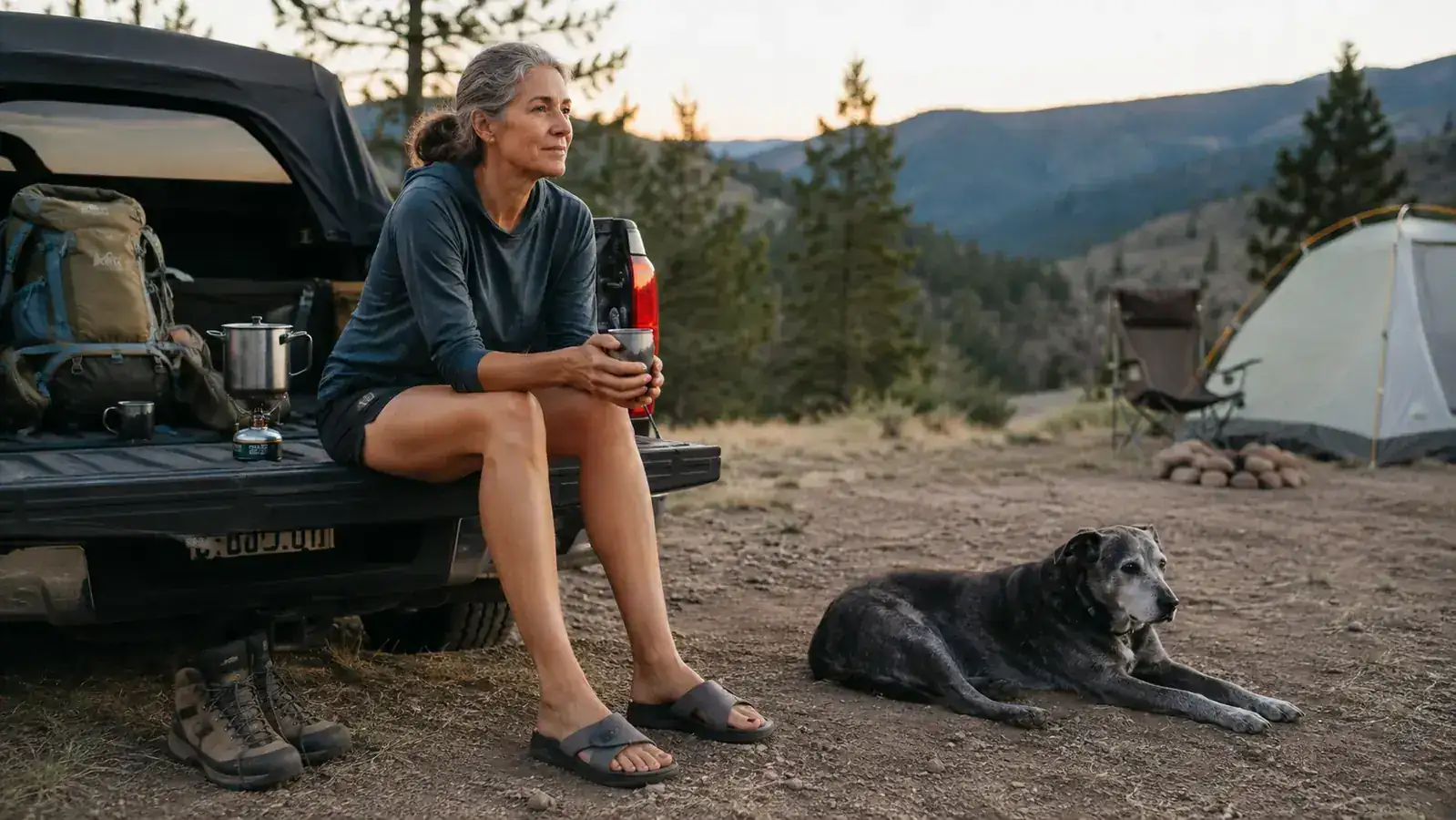
Ten specific reasons a pair of OOFOS recovery slides earned a permanent spot next to my camping chair, from someone who used to just push through sore feet.
Three days on granite and packed dirt left my feet aching so badly I dreaded standing up to cook dinner, until a pair of recovery slides I almost left behind changed every evening at camp.
Five short steps I actually do, most evenings, the same fifteen minutes whether I'm at home, at the market stall, or back at camp with Scout.
I almost sent my OOFOS OOahh slides back the first week I owned them. Here's what nobody mentions about the sizing, the foam, the wet-weather grip, and why they are not a walking shoe.
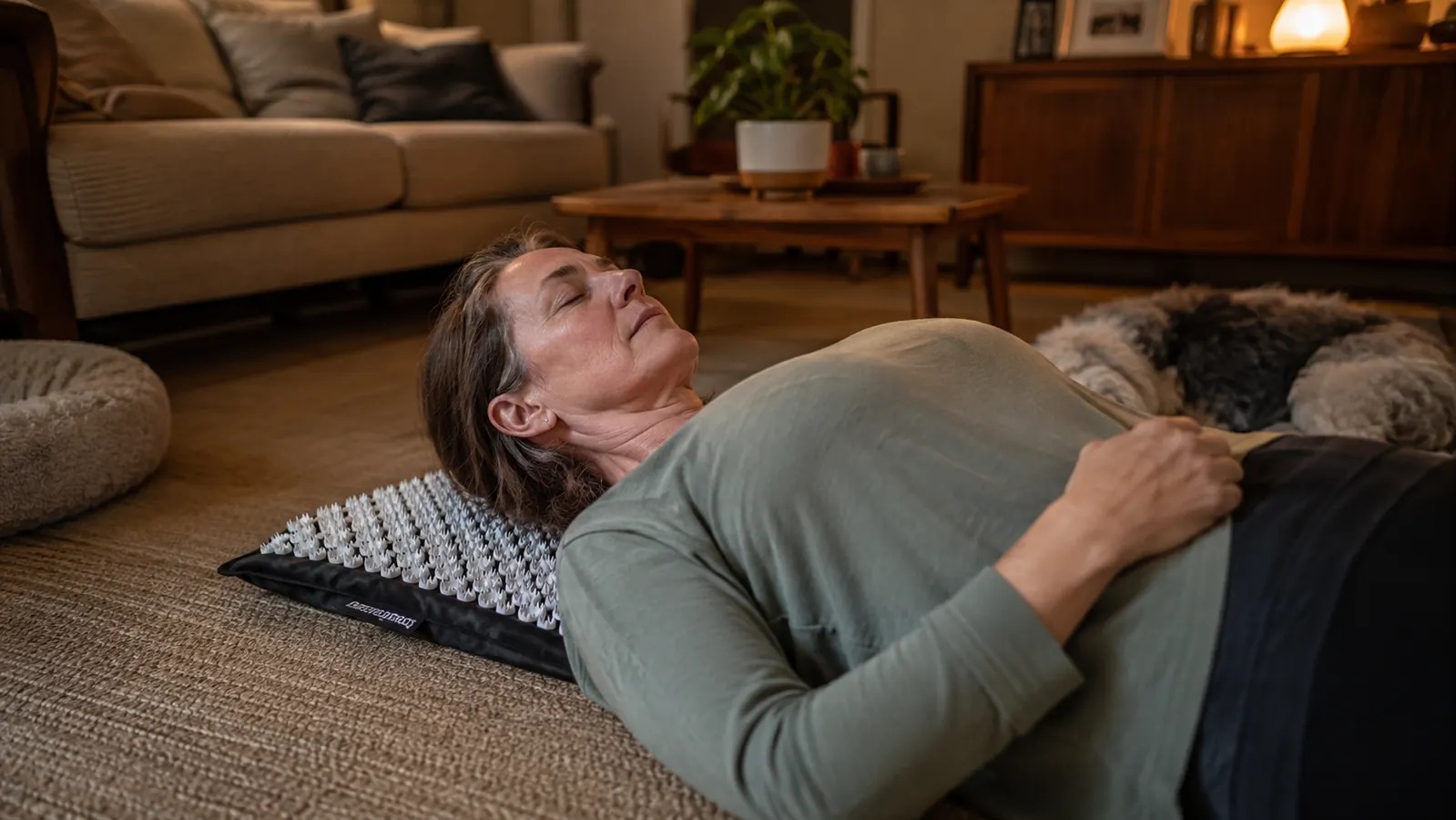
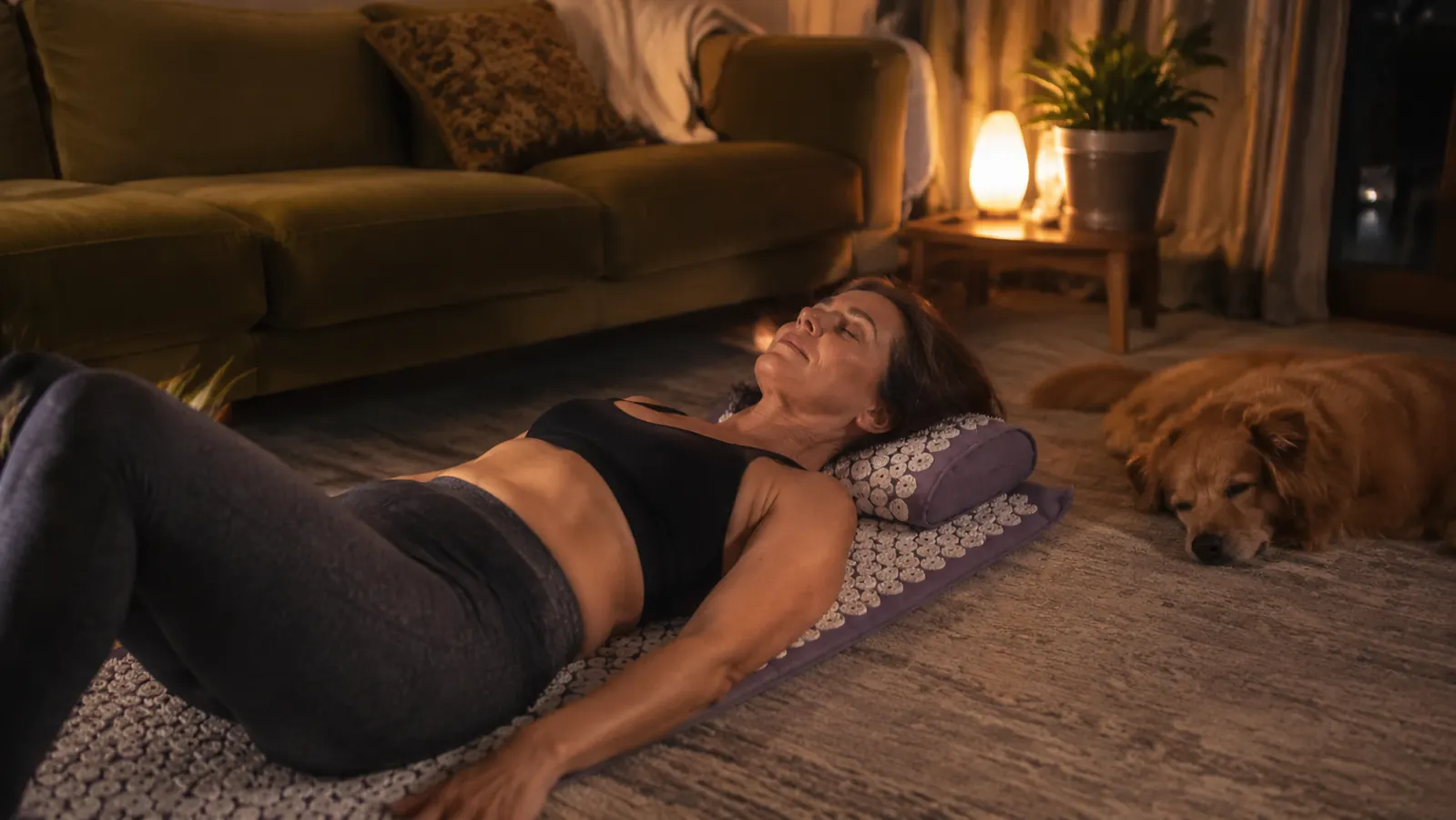
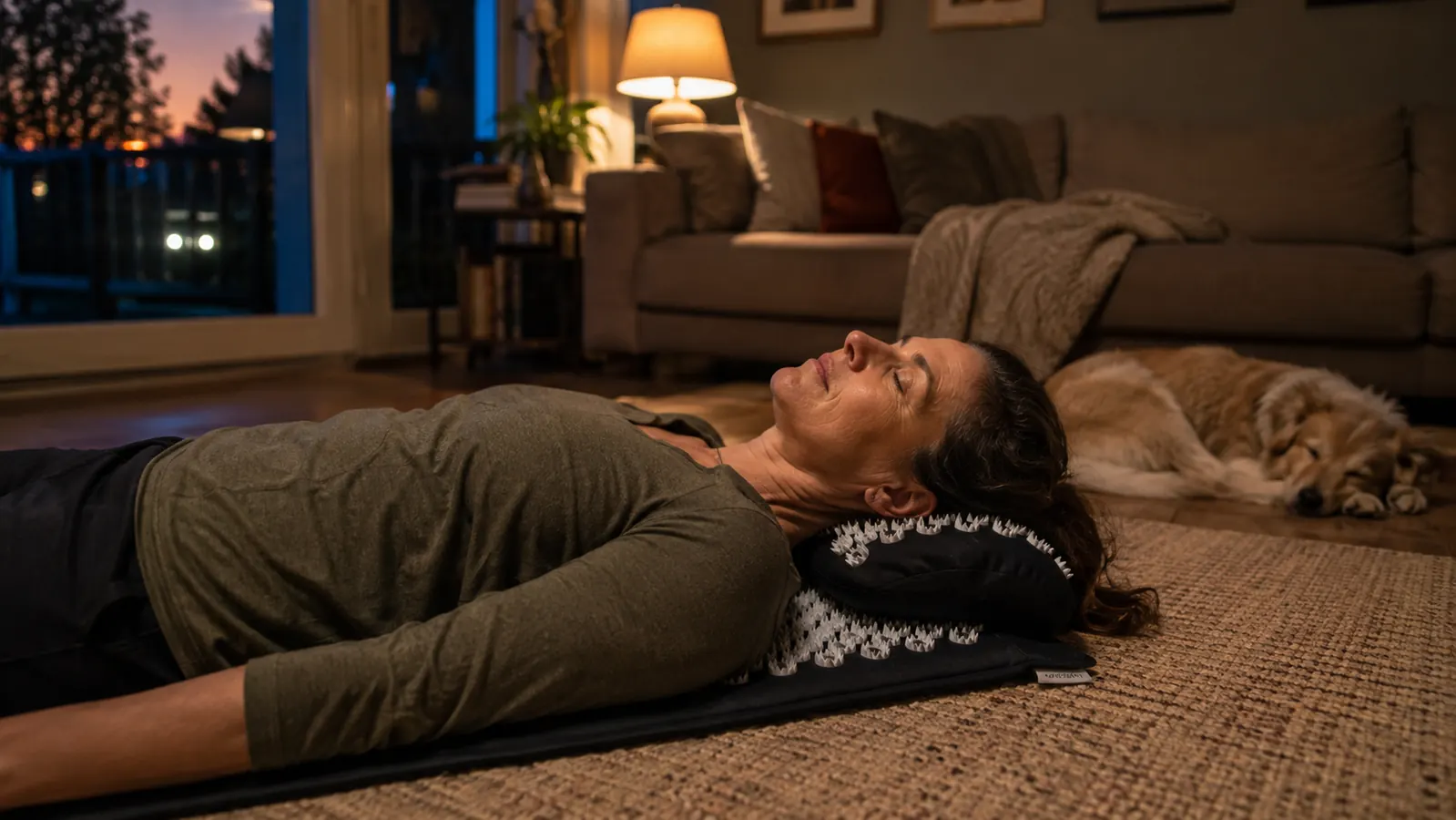
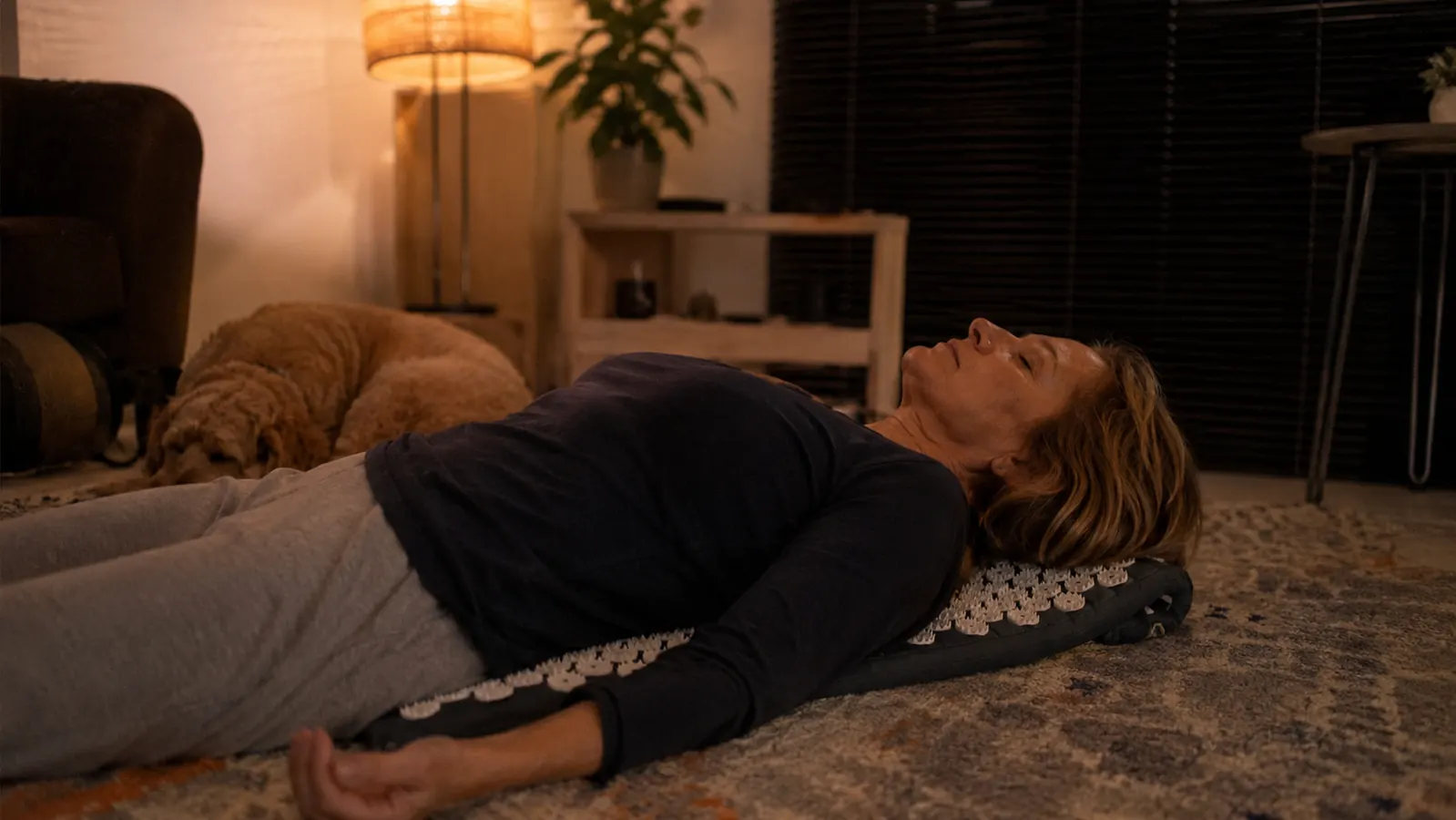
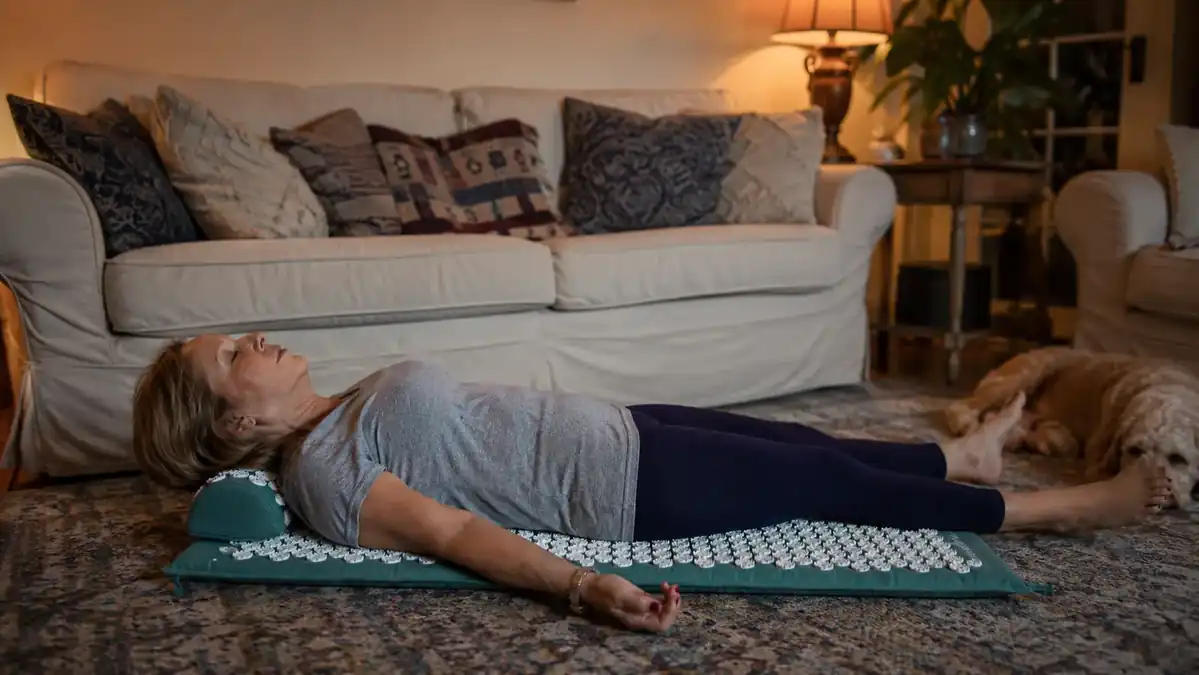
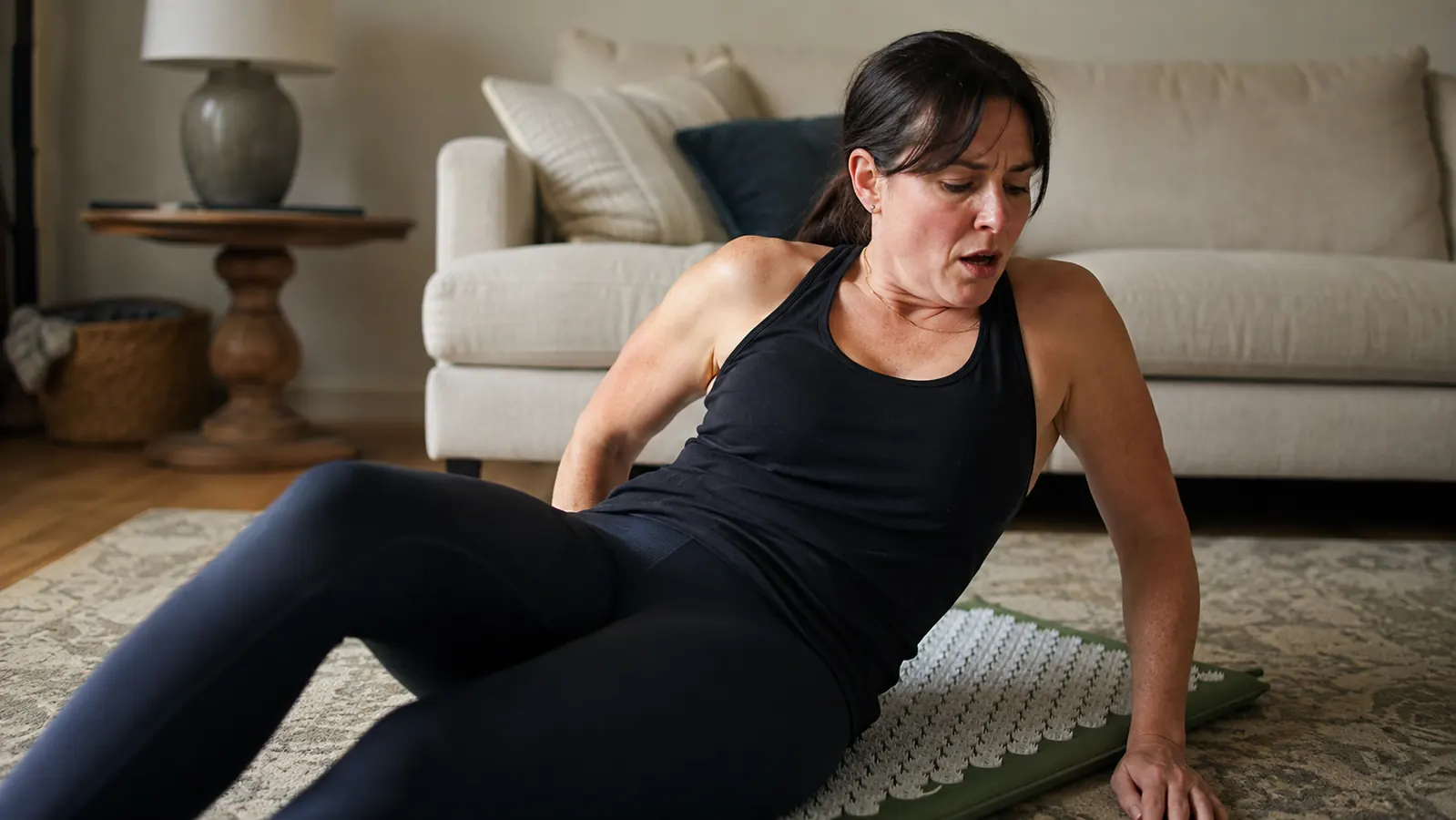
Twenty minutes on the living room floor most evenings, a lot of pins and needles the first week, and what I actually noticed in my shoulders and lower back after three months with a ProsourceFit acupressure mat and pillow set.
Two very different recovery tools, and two very different jobs. Here's how I actually decide which one to reach for.
Ten specific reasons a ProsourceFit acupressure mat and pillow set turned into a nightly ten-minute habit instead of another thing gathering dust in the closet.
An ordinary winter of sitting too much left my lower back tighter than I wanted to admit, and twenty quiet minutes a night on a ProsourceFit acupressure mat is what finally got me to do something about it before spring plans came around.
Fifteen minutes, a mat, a pillow, and a spot on the living room floor. The routine I use most evenings after a day of driving, hauling gear, or hunching over a laptop.
The parts of the acupressure mat story most reviews leave out: how rough the first two weeks actually feel, how thin the research really is, and my honest theory about what's doing the work.
Eight minutes before coffee, a picnic table on camping mornings, and what actually changed in my hips after four months with a Trideer stretching strap.
Not the six-month diary, the part nobody puts in a five-star headline: the two mistakes I made in week one, what the listing photos leave out, and why some of the one-star reviews are actually fair.
A sleeve of packets in my hip belt, a headache at 7,400 feet, and what six months of daily use actually told me about HydroMATE electrolyte packets.
Not the six-month wrap-up. This is the stuff I noticed on day one that nobody puts in the Amazon listing: the taste that misses, the clumping, the bulk of the box, and why some people send theirs back.
Fourteen flights, three long drives to trailheads, and one honest answer to whether a memory foam neck pillow actually changes how your neck feels the next morning.
The bulk, the cheap extras, the way memory foam behaves in real heat and real cold, and the honest limit of what this pillow can and can't fix.
I bought a pair of OOFOS OOahh recovery slides in February for one reason: my feet were done at the end of every camping weekend. Here's what six months of daily wear actually taught me.
I almost sent my OOFOS OOahh slides back the first week I owned them. Here's what nobody mentions about the sizing, the foam, the wet-weather grip, and why they are not a walking shoe.
Twenty minutes on the living room floor most evenings, a lot of pins and needles the first week, and what I actually noticed in my shoulders and lower back after three months with a ProsourceFit acupressure mat and pillow set.
The parts of the acupressure mat story most reviews leave out: how rough the first two weeks actually feel, how thin the research really is, and my honest theory about what's doing the work.